Acupuncture for Polyendocrine Metabolic Ovarian Syndrome (PMOS) / (PCOS)
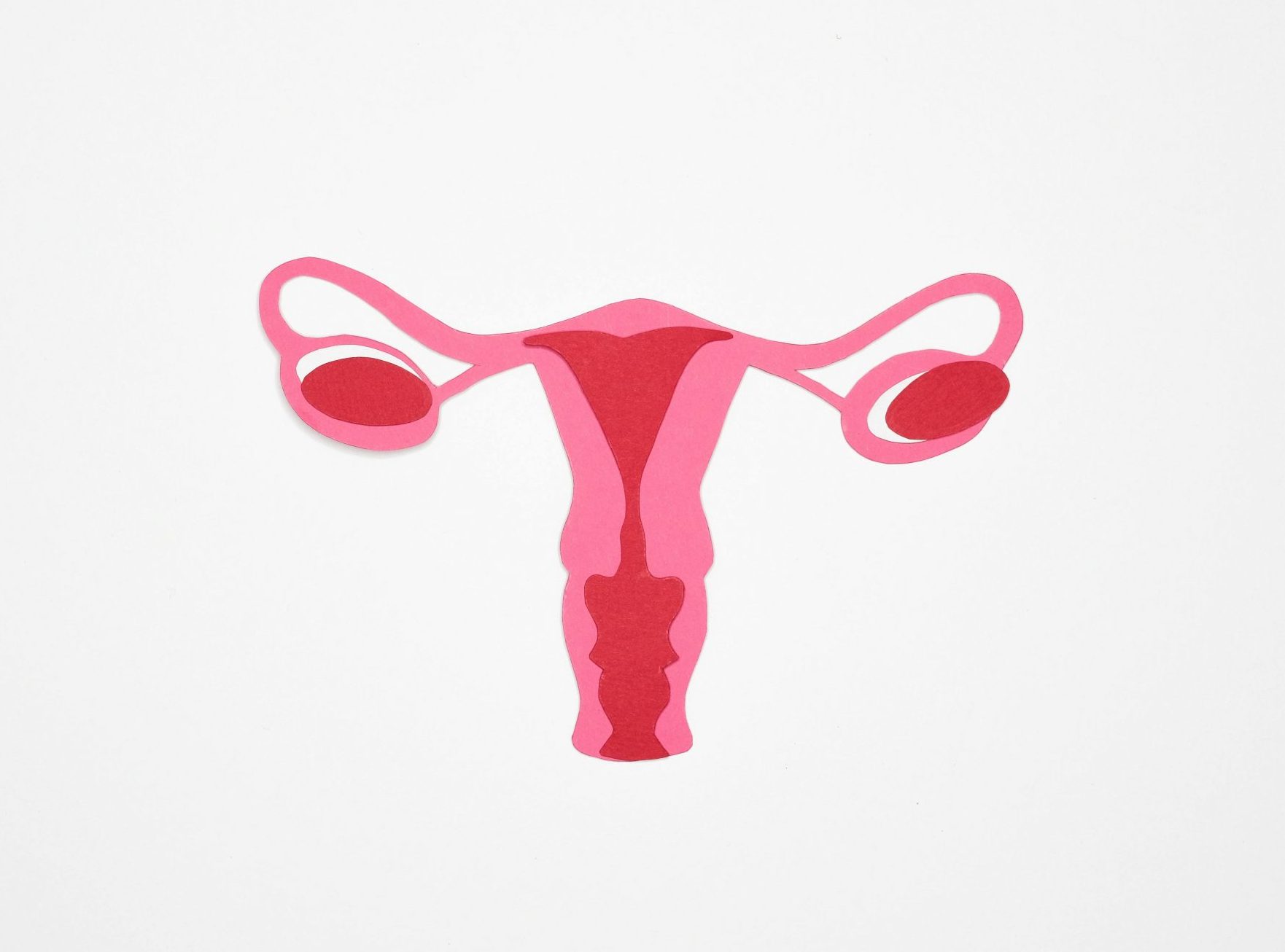
PMOS / PCOS is a complex hormonal condition involving insulin, oestrogen and testosterone balance. At Islington Acupuncture our specialist women’s health acupuncturists stay up to date with scientific research into PMOS, and use this knowledge to inform their acupuncture treatments and lifestyle / dietary advice.
What is PMOS/ PCOS?
PCOS has been renamed PMOS to more accurately describe the condition. The new name reflects its whole body, multi system nature. PMOS can lead to irregular or absent periods, elevated testosterone levels, and/or multiple small follicles (immature eggs) on the ovaries. Not all women with PMOS experience all of these features, and the condition presents differently from person to person.
Common symptoms and associated challenges include:
- Irregular or unpredictable menstrual cycles
- Elevated testosterone
- Insulin resistance and weight gain
- Difficulty conceiving
- Acne or excess hair growth
Does acupuncture help with PMOS/PCOS symptoms?
Hormone Regulation: Research suggests acupuncture may help regulate the hormonal imbalances common in PMOS, including reducing elevated LH/FSH ratios and lowering androgen levels. More balanced hormones can support more regular ovulation and healthier cycles. (Bai T et al., 2024)
Improving Insulin Sensitivity: Insulin resistance is a significant factor in many cases of PMOS and can compound fertility challenges. A 2023 systematic found that acupuncture, alongside standard medical treatment was associated with greater improvements in insulin resistance and BMI than medical treatment alone, with fewer adverse events (Liu et al., 2023). Improved insulin sensitivity can support more regular hormone production and ovulation.
Supporting Ovulation: One of the primary fertility challenges in PMOS is irregular or absent ovulation. Meta-analyses found acupuncture may increase ovulation rates, particularly when used alongside Letrozole (He et al., 2025). And acupuncture combined with medication had better results in improving reproductive hormone levels and pregnancy success rates in women with PMOS than medication alone. (Wu et al., 2024)
Reducing Stress & Cortisol: Women with PMOS often experience heightened stress, which can further disrupt hormone balance. Acupuncture has been shown to reduce cortisol and anxiety during fertility treatment, which may help regulate the hormonal cascade involved in ovulation and conception. (Magarelli et al., 2009)
Acupuncture for PMOS and Fertility: Polyendocrine metabolic ovarian syndrome (PMOS) is one of the most common hormonal conditions affecting women of reproductive age, and a leading cause of fertility challenges. If you have PMOS and are trying to conceive naturally, with medication, or through IVF – acupuncture can offer significant support alongside your existing care.
Supporting IVF Outcomes: For women undergoing IVF, acupuncture can offer additional benefits in the management of the emotional demands of treatment. We recommend starting acupuncture two to three months before an IVF or IUI cycle begins to allow adequate preparation time.
What to expect from treatment
Your first appointment will include a detailed consultation covering your full health and cycle history, any existing diagnoses and medications. We will also carry out a Chinese medicine assessment, which looks at your overall health patterns and constitution.
Treatment plans are tailored to each individual. For PMOS, we generally recommend weekly or fortnightly sessions for two to three months, as this allows time to work with your hormonal cycle and build a meaningful response. We will review progress regularly and adjust treatment accordingly.
We also consider nutrition and lifestyle as part of our approach and can advise on Chinese dietary therapy or work alongside a nutritionist.
Is acupuncture safe ?
Acupuncture has a very strong safety record. In the largest UK study of its kind, covering over 34,000 acupuncture treatments given by professional acupuncturists, researchers recorded no serious adverse events at all (MacPherson et al., 2001). Every treatment at Islington Acupuncture is carried out by British Acupuncture Council (BAcC) registered practitioners. BAcC members complete a minimum of three years’ degree-level training and follow a strict Code of Safe Practice covering hygiene and clinical safety. We use pre-sterilised, single-use, disposable needles